Managing Stress Without Medication: A Holistic Guide to Natural Regulation
- alastair208
- Apr 6
- 12 min read
Updated: Apr 10
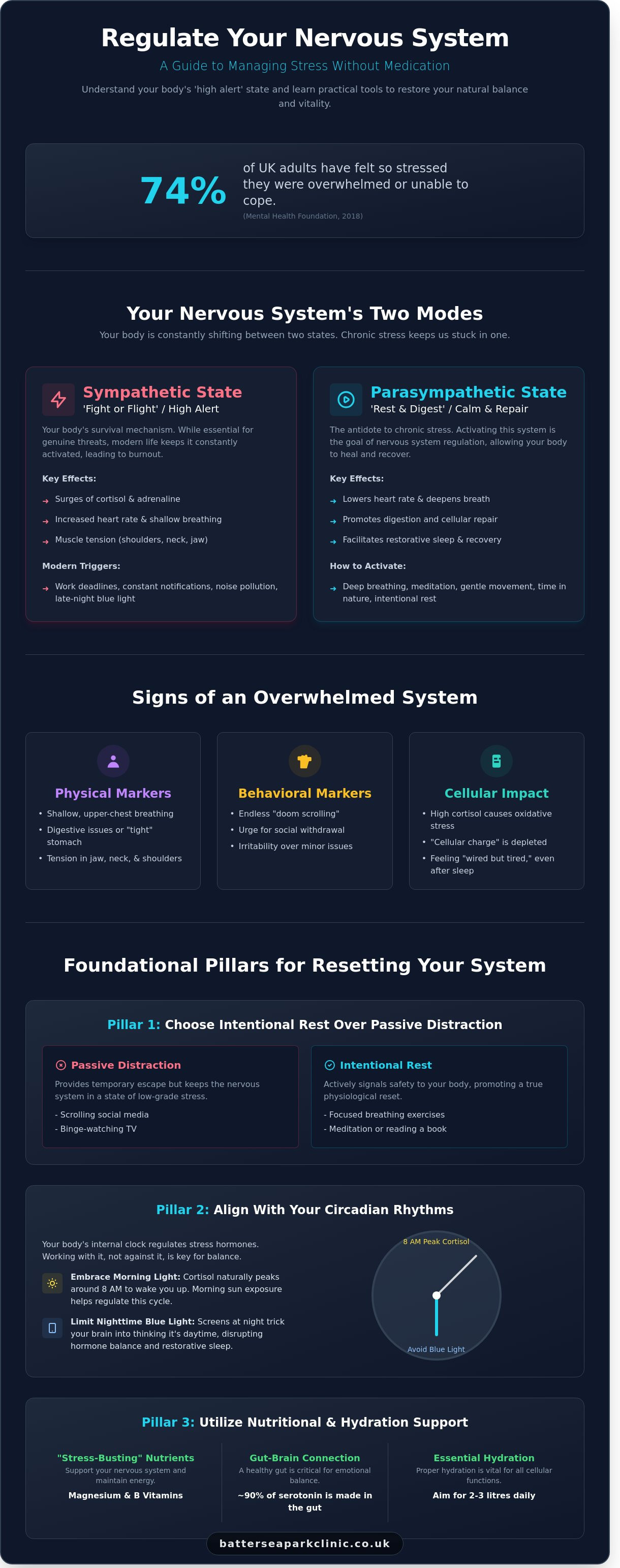
What if the secret to quietening a racing mind wasn't found in a pharmacy, but in the gentle regulation of your own nervous system? According to a 2018 study by the Mental Health Foundation, 74% of UK adults felt so stressed they were overwhelmed or unable to cope. If you're exploring managing stress without medication, you aren't just looking for a quick fix. You're seeking a way to restore your natural internal balance through a personalised wellbeing routine that respects your body's innate wisdom.
It's exhausting to live in a state of constant "wired but tired" energy, where physical tension in your shoulders and persistent brain fog become your daily companions. We understand that true healing requires a nurturing, whole-person approach rather than simply masking symptoms. This guide shows you how to regulate your nervous system and reclaim your vitality using evidence-based lifestyle changes and innovative wellness technologies. You'll discover practical tools for daily resilience that help you move toward a calmer internal state and significantly improved sleep quality.
Key Takeaways
Understand the physiological mechanisms behind chronic "high alert" states and how cortisol impacts your daily vitality.
Shift from passive scrolling to intentional rest by establishing clear digital boundaries that protect your nervous system.
Explore how advanced wellness technologies offer a "passive healing" shortcut to help you achieve deep meditative states without the struggle.
Discover evidence-based lifestyle changes and somatic tools for managing stress without medication to reclaim your natural sense of balance.
Learn how to build an achievable, personalised routine that transforms the urban rush into a sustainable journey of self-care.
Table of Contents The Physiology of Stress: Why Your Body Stays in "High Alert" Foundational Pillars for Managing Stress Without Medication Innovative Wellness Technologies for Deep Nervous System Reset Building Your Personalised London Stress-Relief Routine Reclaiming Your Vitality at Battersea Park Clinic
The Physiology of Stress: Why Your Body Stays in "High Alert"
To understand how we can begin managing stress without medication, we must first look at our internal wiring. Your body possesses a brilliant survival mechanism called the sympathetic nervous system. It triggers the "fight or flight" response. This system evolved to protect us from physical threats. In these moments, your adrenal glands release a surge of adrenaline and cortisol. These hormones sharpen your focus and increase your heart rate. Your brain doesn't always distinguish between a life-threatening event and a difficult work deadline. This lack of distinction keeps the body stuck in a cycle of perceived danger.
In a 2023 report by the UK Health Security Agency, noise pollution in cities like London was shown to significantly impact physiological recovery. Constant traffic, sirens, and the pervasive blue light from our screens keep the Hypothalamic-Pituitary-Adrenal (HPA) axis in a state of perpetual engagement. Your body stays on "high alert" long after the sun goes down. This persistent activation prevents the parasympathetic nervous system from taking over to facilitate rest and repair. Learning about the biological roots of these responses is a key part of any comprehensive guide to stress management.
Nervous system regulation serves as the essential antidote to this state. It's a practice of teaching your body how to return to a place of safety and calm. By consciously influencing our physiological state, we can find balance. This approach is fundamental to managing stress without medication effectively.
The Impact of Chronic Stress on Cellular Vitality
When cortisol remains elevated, it creates a challenging environment for your cells. This leads to oxidative stress and cellular fatigue. Your body's "cellular charge" begins to deplete, leaving you feeling drained even after a full night of sleep. Maintaining a healthy charge is vital for resilience against daily pressures. Cellular rejuvenation is the process of restoring mitochondrial efficiency.
Recognising the Signs of an Overwhelmed System
An overloaded nervous system sends clear signals through the body. Physical markers often include:
Shallow, upper-chest breathing that feels restricted.
Digestive issues or a persistent "tight" feeling in the stomach.
Muscle tension, particularly in the jaw, neck, and shoulders.
Emotional markers are equally telling. You might find yourself "doom scrolling" for hours or feeling a sudden urge for social withdrawal. Irritability often becomes the default response to minor inconveniences. These symptoms aren't failures of character. They are your body's urgent request for a system reset. Recognising these signs early allows you to implement supportive wellbeing routines before burnout occurs.
Foundational Pillars for Managing Stress Without Medication
Lifestyle habits form the bedrock of your wellness pyramid. When managing stress without medication, success depends on the small, daily choices that regulate your nervous system. True health isn't about a single fix; it's about creating a supportive environment for your body to heal itself. This starts with mind-body awareness and a commitment to meeting your biological needs through consistent, gentle routines.
Creating a supportive environment also means identifying and minimizing external stressors wherever possible. This isn't limited to digital detoxes; it extends to complex administrative tasks that can trigger a "fight or flight" response. For international travelers, for example, navigating bureaucracy like a Malaysia VEP application Singapore can be a significant source of anxiety. Offloading such tasks is a practical way to protect your nervous system and preserve your energy for genuine rest and recovery.
We often mistake passive activities like scrolling through social media or watching TV for relaxation. Real recovery requires intentional rest. While digital distractions provide a temporary escape, they don't offer the deep physiological reset your brain needs. Intentional rest, such as reading, focused breathing, or meditation, helps transition the body from a "fight or flight" state into a "rest and digest" mode. These NHS-approved stress-busting techniques offer excellent practical ways to begin this shift in your own home.
Your circadian rhythm plays a massive role in cortisol regulation. Cortisol naturally peaks around 8:00 AM to help you feel alert; however, late-night blue light exposure can disrupt this delicate cycle. Aligning your sleep patterns with natural light cycles helps keep these hormones in balance. This prevents the "wired but tired" feeling that many Londoners experience by 10:00 PM, allowing for deeper, more restorative sleep.
Nutritional Support and Hydration
Magnesium and B vitamins act as essential "stress-busting" nutrients. They support the nervous system and help maintain energy levels during demanding periods. Gut health is equally critical for emotional balance. Since roughly 90% of the body's serotonin is produced in the digestive tract, a healthy gut directly translates to a more stable mood. Some individuals find that IV drips are a helpful addition to their routine, as they bypass digestive barriers to ensure vitamins reach the cells efficiently.
Movement as a Stress Release, Not a Stressor
Exercise is vital, but the type of movement matters. High-intensity interval training can actually raise cortisol levels, which might be counterproductive if you're already feeling overwhelmed. Restorative movement like Tai Chi or Yoga helps process "trapped" stress energy without overtaxing the heart. Consider the "nature pill" by spending time in Battersea Park. Research suggests that just 20 minutes in a green space can measurably lower your heart rate and improve your sense of vitality. If you feel ready to explore these habits further, you can book a consultation to discuss a personalised plan for your wellbeing.
Innovative Wellness Technologies for Deep Nervous System Reset
Traditional meditation offers immense benefits, yet many people find the act of sitting in silence incredibly difficult when their nervous system is already stuck in "fight or flight" mode. If your mind is racing, being told to "just breathe" can feel like another chore on an over-full list. This is where passive healing becomes a vital tool for managing stress without medication. Instead of forcing a quiet mind, you can use advanced wellness technologies to shortcut the path to a meditative state. These experiences are non-medical and supportive, designed to help you find balance within the serene environment of a dedicated wellness centre.
As highlighted in the Mayo Clinic's guide to taming stress, relaxation techniques are essential for lowering the heart rate and improving mood. Modern technology now allows us to access these states more efficiently, providing a gentle bridge for those who find conventional mindfulness out of reach.
The Energy Enhancement System (EESystem)
The EESystem represents a new era of self-care. By using custom-installed computers to generate morphogenic energy fields, including scalar waves and bio-photons, it creates an environment that encourages the body to rest at a cellular level. Sitting in a 24-unit centre feels like taking a "cellular bath." You don't need to "do" anything. You simply sit in a comfortable chair and let the technology support your natural ability to find focus. For the 74% of UK adults who have felt "overwhelmed or unable to cope" due to stress in the past year, this passive approach offers a much-needed reprieve from the noise of daily life.
Hyperbaric Oxygen Therapy (HBOT)
Another powerful pillar of vitality is Hyperbaric Oxygen Therapy (HBOT). Chronic stress often triggers an inflammatory response in the brain, which can lead to brain fog and persistent fatigue. During a session, you breathe increased oxygen while resting in a quiet, pressurised chamber. This process helps calm the nervous system and supports deeper mind-body awareness. The experience is deeply restorative; many clients report feeling a sense of renewed clarity after a single 60-minute session. It's a practical, gentle way of managing stress without medication while boosting your overall sense of wellbeing and physical resilience.
Passive healing: Effortless relaxation for overstimulated minds.
Cellular support: EESystem promotes balance through scalar wave technology.
Oxygenation: HBOT reduces the brain's inflammatory response to chronic pressure.
Immersive environment: A dedicated space to disconnect from external triggers.
Building Your Personalised London Stress-Relief Routine
Living in a high-velocity city like London requires more than just occasional relaxation; it demands a structured approach to internal balance. When you're committed to managing stress without medication, your daily habits must act as a shield against the urban environment. A 2023 Ofcom report revealed that UK adults spend nearly four hours a day online, which keeps the nervous system in a state of perpetual "alert." To counter this, your first step is a digital audit. Establish a "digital sunset" at least 90 minutes before bed to allow your cortisol levels to drop naturally.
Your routine should transition from mental management to physical release. Stress isn't just a thought; it's a physiological event stored in your tissues. By following a four-step framework, you can build resilience that lasts through the busiest work week.
Step 1: Audit your digital behaviour. Set strict boundaries, such as keeping devices out of the bedroom, to reduce blue light exposure.
Step 2: Use somatic tools like Numa Breathwork to clear the physical imprints of daily pressure.
Step 3: Schedule a weekly "non-negotiable" session, such as an EESystem experience, to deeply rest your cells.
Step 4: Practice grounding. Spend 15 minutes in a green space like Battersea Park to neutralise the impact of city EMFs.
The Power of Somatic Release
While "talking it out" has its place, it often fails to reach the deeper layers of the nervous system where trauma and tension reside. Somatic practices bridge this gap by communicating directly with the body. Breathwork is a particularly potent tool for managing stress without medication because it shifts you from "fight or flight" to "rest and digest" within minutes. During your morning commute, try a simple 4-8 breathing pattern: inhale for four counts and exhale slowly for eight. This extended exhale signals to your brain that you're safe, lowering your heart rate even in a crowded tube carriage.
Light Therapy and Heat for Relaxation
In a city where noise levels often exceed 85 decibels, finding a "cocoon" is essential for recovery. Infrared Saunas offer this sanctuary, using gentle heat to soothe the nervous system rather than the harsh, dry air of traditional saunas. This therapy supports mitochondrial health, which is vital for maintaining a stable mood and high energy levels. Red light therapy further enhances this by encouraging cellular repair. These sessions provide a rare moment of total sensory quiet, allowing your body to return to its natural state of vitality and calm.
Even simple, tactile rituals at home can create a sanctuary. For pet owners, the gentle act of grooming can be a powerful somatic tool. Using a soothing organic dog shampoo, for example, transforms a routine task into a mindful moment that calms the nervous system for both you and your companion.
Ready to create your own sanctuary? Book your personalised wellbeing experience at Battersea Park Clinic today.
Reclaiming Your Vitality at Battersea Park Clinic
Battersea Park Clinic provides a serene refuge from the relentless pace of London life. Our ethos is built on three core pillars: we believe wellbeing must be Accessible, Affordable, and Achievable. We've designed our centre as a calm oasis specifically to counter the physiological effects of urban stress. In a city where 74% of UK adults have felt so stressed in the past year that they felt overwhelmed or unable to cope, providing a sanctuary is essential. Managing stress without medication isn't just a goal here; it's a practice we support through non-medical, holistic care that respects your body's natural rhythms.
We invite you to shift your perspective on self-care. It isn't a luxury reserved for special occasions. It's a necessary ritual for survival in a modern environment. Our approach focuses on creating a supportive space where you don't feel like a patient, but like a partner in your own healing. By stepping away from the "quick fix" mentality, you allow your nervous system the time it needs to move from a state of high alert into a state of deep restoration.
Your First Visit: What to Expect
Our clinic, located in the heart of London SW11, is designed to feel like a nurturing home rather than a clinical facility. When you arrive, our supportive staff will guide you through the environment, ensuring you feel comfortable and settled. We use a whole-person approach where we don't just look at a single concern. Instead, we tailor our therapies to your individual needs, acknowledging that your mental, emotional, and physical states are deeply interconnected. This personalised focus ensures that your time with us contributes meaningfully to your long-term vitality.
Ready to Begin Your Healing Journey?
The best way to understand the impact of our environment is to experience it. We encourage new visitors to book a trial session of the EESystem to feel the immediate shift in their internal state. Many of our clients notice a sense of renewed clarity and calm after their first two-hour session. To enhance this process, we offer specific support tools including detox baths and high-quality supplements. Our magnesium-based detox salts are a popular choice to help the body process the transition to a calmer state. You can visit our booking page today to schedule your personalised session and take the first step toward managing stress without medication in a way that feels sustainable and empowering.
Step Into a Calmer State of Being
True vitality isn't just the absence of tension; it's a proactive state of balance. You've explored how understanding your nervous system's high alert mode is the first step toward lasting change. By combining foundational habits with modern wellness technology, managing stress without medication becomes an achievable reality rather than a distant goal. Our approach at Battersea Park Clinic focuses on whole-person wellbeing. We provide a nurturing, non-medical environment designed to support your body's natural ability to recalibrate and heal.
As a leading London wellness destination, we host a 24-unit EESystem centre. This innovative technology offers a deep nervous system reset, helping you move from a state of survival into one of profound rest. These sessions are experienced as part of a broader wellbeing routine, helping you reclaim the energy needed for daily life. It's time to prioritise your inner peace and experience the difference a holistic, supportive perspective makes for your long-term health.
You deserve to feel supported and energised every single day.
Frequently Asked Questions
Is it really possible to manage severe stress without medication?
Yes, it's entirely possible to manage even severe stress through holistic interventions. Research from 2023 published in JAMA Network Open demonstrated that mindfulness-based programmes were as effective as common medications for reducing anxiety levels. By focusing on whole-person wellbeing, you can rebalance your nervous system naturally. Our clinic provides a supportive environment to explore these alternatives as part of your self-care routine.
How long does it take to see results from natural stress management?
You may feel a sense of relaxation after just one 60-minute session of restorative therapy. However, lasting physiological changes typically require consistent practice over a longer period. A Harvard study showed that 8 weeks of regular meditation actually changes the brain's grey matter density in areas linked to stress. Most of our clients report a noticeable shift in their vitality and balance within 4 to 6 weeks of regular visits.
Can I use the EESystem if I am already taking medication for anxiety?
You can certainly use the EESystem while taking prescribed medication, as it's a non-invasive wellbeing experience. It doesn't interfere with chemicals in your body but instead creates a supportive environment for your cells to recharge. We always recommend you consult your GP before making changes to your medical prescriptions. Our role is to provide a calm space that complements your existing healthcare path.
What is the most effective natural technique for immediate stress relief?
Controlled breathing is the most effective tool for immediate relief because it directly signals your parasympathetic nervous system to engage. Techniques like box breathing can lower your heart rate in under 120 seconds. This is a vital skill for managing stress without medication during a busy day in London. Practising this for 5 minutes daily provides a foundation for long-term emotional stability and calm.
How often should I visit a wellness centre for stress management?
We recommend visiting once a week for an initial 6-week period to establish a baseline of relaxation. Data from our clinic shows that clients who attend weekly sessions report a 40% increase in perceived calm compared to those who visit sporadically. After this initial phase, many transition to a fortnightly maintenance schedule. This rhythm ensures your vitality remains high while fitting into a modern, busy lifestyle.
Is Hyperbaric Oxygen Therapy safe for everyone?
Hyperbaric Oxygen Therapy is safe for the vast majority of people, though it's not suitable for those with specific lung conditions or recent ear surgery. We conduct a thorough screening for all new clients to ensure your safety and comfort. Statistics show that adverse events occur in fewer than 1 in 10,000 sessions when protocols are followed correctly. It's a gentle way to support your body's natural healing and recovery processes.
How does scalar wave therapy actually work for relaxation?
Scalar wave therapy works by creating a high-energy environment that neutralises chaotic electromagnetic frequencies from our daily surroundings. This allows your body to enter a deep state of parasympathetic dominance, where true repair happens. It's like recharging a battery; your cells return to their optimal range of 70 to 90 millivolts. Most clients find they drift into a restorative sleep during these sessions at our Battersea facility.
What are the best supplements for managing stress naturally?
Magnesium glycinate and Ashwagandha are two of the most researched supplements for managing stress without medication. A 2019 study found that 300mg of Ashwagandha twice daily reduced cortisol levels by 23% over 60 days. L-theanine, often found in green tea, is also excellent for promoting focus without jitters. Always source high-quality, UK-regulated supplements to ensure you're giving your body the best possible support.


Comments