
Red Light Therapy for Muscle Recovery: A Gentle Guide to Vitality
- alastair208
- 2 days ago
- 12 min read
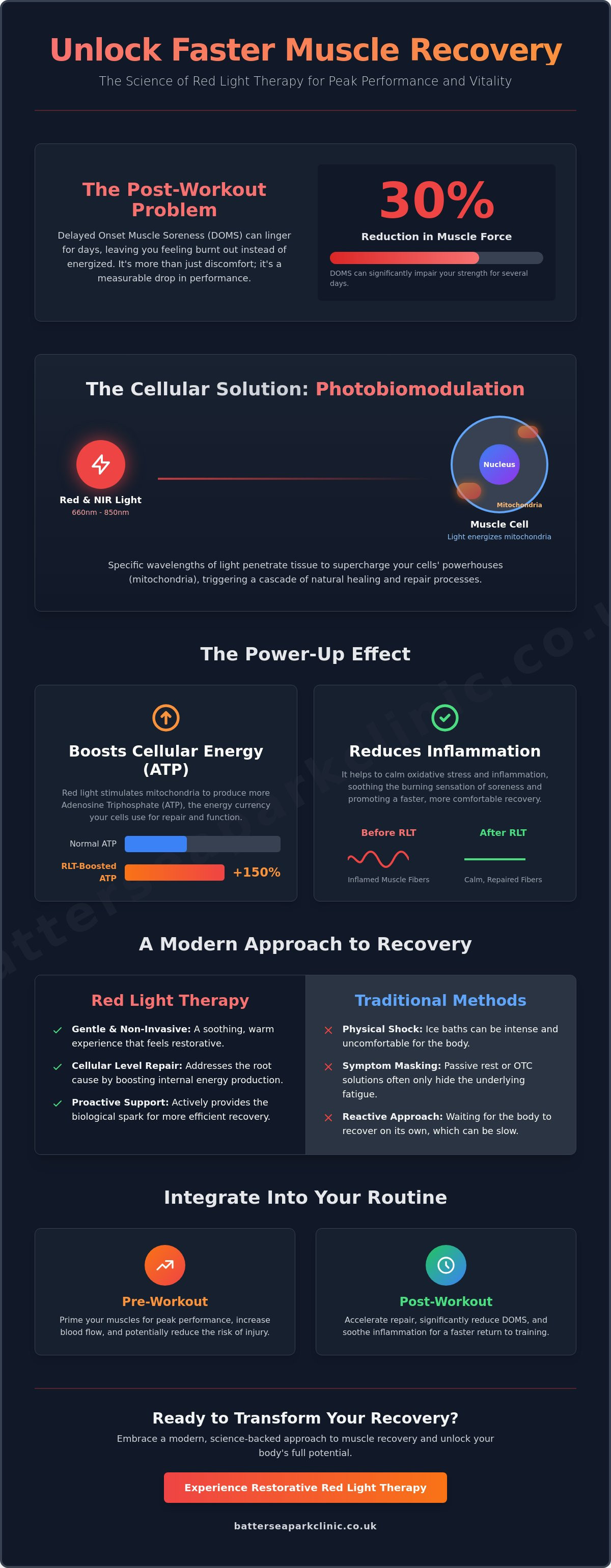
What if the most productive part of your fitness routine wasn't the final set of repetitions, but the quiet moments of rest that follow? We understand the frustration when persistent muscle soreness lingers long after you've finished your workout. Research published in the Journal of Athletic Training shows that Delayed Onset Muscle Soreness (DOMS) can reduce muscle force by up to 30% for several days, often leaving you feeling physically burnt out rather than energised. Integrating red light therapy for muscle recovery into your personal wellbeing routine offers a gentle, science-backed way to soothe this tension and restore your natural rhythm.
You deserve a recovery process that feels as nurturing as it is effective. We're here to help you transform your post-exercise routine into a restorative wellness ritual for faster recovery and lasting vitality. This guide explores how light-based support encourages a deeper sense of mind-body balance, allowing you to return to the activities you love with a feeling of renewed energy and poise.
Key Takeaways
Learn how specific light wavelengths can transition your body from post-exercise fatigue into a state of renewed vitality and balance.
Understand the science of cellular energy and how boosting your mitochondria supports deeper, more efficient muscle repair.
Discover why red light therapy for muscle recovery offers a gentle, non-invasive alternative to the physical shock of traditional ice baths.
Identify the best times to integrate light sessions into your personal wellbeing routine to achieve the most restorative and cumulative results.
Explore how a professional wellness environment can make advanced recovery technology an accessible and achievable part of your self-care journey.
Table of Contents Understanding Red Light Therapy for Muscle Recovery and Vitality The Science of Cellular Energy: How Light Powers Muscle Repair Red Light Therapy vs. Traditional Recovery Methods Integrating Red Light into Your Personal Wellbeing Routine Experience Restorative Red Light Therapy at Battersea Park Clinic
Understanding Red Light Therapy for Muscle Recovery and Vitality
Red light therapy is a gentle, non-invasive wellbeing experience that uses specific wavelengths of light to help the body return to its natural state of balance. For many of our clients, the path to feeling better often feels like a struggle against persistent physical fatigue. Understanding Red Light Therapy reveals how this technology moves beyond simply masking temporary discomfort. Instead of just treating a symptom, this approach focuses on supporting a natural process within your own body. It's about shifting from a state of depletion to one of renewed vitality. When we use red light therapy for muscle recovery, we're giving our cells the specific energy they need to repair themselves efficiently. This holistic perspective views the body as an intelligent system that occasionally needs a supportive, nurturing environment to thrive.
What is Photobiomodulation?
This term might sound clinical, but it's essentially light-driven cellular support. Think of it as a way to recharge your internal batteries using specific light wavelengths, typically ranging from 660nm to 850nm. These wavelengths penetrate the skin to reach deep tissues where they interact with the mitochondria, which are the powerhouses of your cells. Photobiomodulation is the process where light energy triggers biological changes at a cellular level. It's a cornerstone of modern wellness that bridges the gap between advanced technology and natural healing, making it a vital part of a personalised wellbeing routine.
Why Traditional Recovery Often Falls Short
Living in a high-stress environment like London often means our bodies are under constant pressure. Passive rest, such as sitting on the sofa after a long day, frequently isn't enough to counteract the physical toll of a busy lifestyle. Many people rely on over-the-counter solutions to manage muscle soreness. These options often mask the underlying fatigue rather than actually supporting the body's recovery. We introduce the concept of active cellular rest. This is a superior alternative where red light therapy for muscle recovery works alongside your body's innate rhythms. It doesn't just wait for recovery to happen; it provides the biological spark needed to make that recovery more effective. This helps you move from a feeling of being worn out to a state of serene confidence and physical readiness.
The Science of Cellular Energy: How Light Powers Muscle Repair
To understand how red light therapy for muscle recovery works, we must look deep inside our cells. Within every muscle fibre, tiny structures called mitochondria act as the engine room. They produce the energy we need to move, lift, and thrive. When we expose our bodies to specific wavelengths of light, a protein called cytochrome c oxidase absorbs this energy. This interaction is a cornerstone of how WebMD explains red light therapy and its ability to stimulate healing within the tissue.
This biological process isn't just about surface-level comfort. It's a fundamental shift in how your cells function. By providing the mitochondria with the right light, we help them work more efficiently. This creates a ripple effect throughout the body, leading to faster repair and a more resilient physical state. It's a modern way to tap into the body's ancient capacity for self-renewal.
Boosting ATP for Natural Vitality
Adenosine Triphosphate, or ATP, is the primary energy currency our bodies use to stay active. Think of it as the fuel in your tank. During a workout, your ATP levels naturally drop as your muscles work to meet the demand. Red light therapy encourages the mitochondria to produce higher levels of ATP. Laboratory studies have shown that specific light exposure can increase ATP production by up to 150% in certain cellular environments. This provides your cells with the resources they need to repair micro-tears in the muscle tissue. It's a boost that allows your body to bounce back with greater ease. Many people report a sense of renewed energy shortly after a session, feeling less drained by their daily activities.
When your cells have an abundance of energy, the healing process moves from a crawl to a steady pace. This isn't a forced medical intervention; it's a way to support your body's existing brilliance. You aren't just recovering; you're revitalising your entire system from the inside out.
Reducing Inflammation and Oxidative Stress
Intense activity often leaves us with a heavy, burning sensation that can last for days. This is frequently caused by oxidative stress and the natural inflammatory response. While some inflammation is necessary for muscle growth, excessive stress can make your body feel sluggish. Red light therapy helps soothe this response, promoting a calmer and more supported physical state. Peer-reviewed research into photobiomodulation has documented these anti-inflammatory effects for over 40 years.
By clearing out the metabolic waste that builds up during exercise, the therapy reduces that "heavy" feeling in the limbs. It helps you maintain a sense of balance even after a challenging day. Integrating these sessions into your personal wellbeing routine is a gentle way to honour your body's need for rest and repair. It's about finding a sustainable path to vitality that feels both achievable and nurturing for your long-term health.
Red Light Therapy vs. Traditional Recovery Methods
Choosing the right recovery tool often feels like a trade-off between effectiveness and physical discomfort. Traditional methods like ice baths or intense heat sessions focus on managing symptoms, such as swelling or immediate soreness. Red light therapy for muscle recovery takes a different approach by supporting the body's internal biological processes. Instead of shocking the system into submission, light therapy provides a calm, nurturing environment where cells can repair themselves effectively. It's a shift from temporary numbing to long-term vitality. This gentle method fits easily into a daily wellbeing routine, requiring no stressful preparation or uncomfortable recovery from the recovery method itself.
Light Therapy vs. Cold Immersion
Cryotherapy and ice baths work by causing vasoconstriction, which reduces blood flow to the area to limit swelling. While this helps with acute pain, research indicates that extreme cold can actually hinder long-term muscle protein synthesis if used too frequently. Red light therapy for muscle recovery does the opposite; it promotes circulation and vasodilation. This process delivers oxygen and nutrients exactly where they're needed most. A helpful framework is to use cold immersion for immediate injury management within the first 24 hours of a trauma. Choose light therapy for systemic recovery and to support the body's natural healing rhythm during a regular training programme. It offers a more supportive path to vitality without the cortisol spike associated with freezing temperatures.
RLT vs. Traditional Saunas
Traditional saunas rely on high ambient temperatures, often reaching 80°C, to heat the body from the outside in. This creates a relaxing sweat, but much of the energy stays on the surface of the skin. Red light therapy uses specific wavelengths, typically between 660nm and 850nm, that penetrate up to 5mm into the tissue without the need for stifling heat. If you're interested in the differences between heat and light, you can explore our guide to infrared light therapy for more context. Many people find light over heat more comfortable because it doesn't leave them feeling drained or lightheaded. It's an accessible way to boost energy levels while maintaining a sense of serene balance and mind-body awareness.
By choosing light therapy, you're opting for a method that respects the body's natural limits. It's not about forcing a change, but providing the energetic support your cells need to thrive. Whether you're a professional athlete or someone enjoying a gentle yoga practice, this technology offers a modern, principled approach to self-care that feels as good as it works.
Integrating Red Light into Your Personal Wellbeing Routine
Making red light therapy for muscle recovery a part of your life isn't about adding another chore to your list. It's about creating a dedicated space for your body to reset. We view these sessions as a recovery ritual that honours the hard work your muscles do every day. By integrating light into your schedule, you're choosing a proactive path to vitality that supports both your physical frame and your mental clarity.
Timing Your Sessions for Maximum Benefit
The timing of your session can change how your body responds. Pre-conditioning your muscles with a session before exercise helps increase local circulation and may prepare your tissues for the stress of a workout. If your primary goal is to reduce soreness, post-workout sessions are incredibly effective. Clinical observations suggest that light exposure within a few hours of exercise can significantly lower the impact of DOMS (Delayed Onset Muscle Soreness). For those maintaining a steady activity level, a twice-weekly rhythm provides a consistent foundation for long-term vitality. This frequency allows the cumulative effects of the light to build up, supporting a more resilient physical state.
The Synergy of Light and Oxygen
Combining different modalities often creates a more profound effect than using them in isolation. Many of our visitors find that pairing red light therapy for muscle recovery with Hyperbaric Oxygen Therapy accelerates their sense of renewal. While red light stimulates the mitochondria to produce more energy, the increased oxygen levels from HBOT provide the essential fuel for these metabolic processes. This multi-therapy approach offers an ultimate rejuvenation experience, helping you feel lighter and more balanced after a period of intense physical or mental strain.
Red Light and the EESystem
For a truly holistic approach, we suggest exploring the Energy Enhancement System as a companion to your light sessions. The EESystem uses scalar waves and bio-photons to create a high-vibrational environment that supports the body's natural repair mechanisms. This combination goes beyond physical muscle repair; it encourages a deep state of mind-body awareness. You aren't just addressing a sore muscle; you're allowing your entire system to return to a state of calm and coherence. It's a modern way to find balance in a fast-paced world.
Ready to see how these therapies work together? Book your personalised wellbeing experience today.
Experience Restorative Red Light Therapy at Battersea Park Clinic
London’s pace can feel relentless, often leaving little room for the rest your body requires to function at its best. Our wellness centre on Battersea Park Road offers a sanctuary where you can pause, breathe, and reconnect with your body’s natural rhythm. We believe that true vitality is built on a foundation of consistent self-care. This is why our philosophy centres on making wellbeing accessible, affordable, and achievable for everyone in our community. High-quality restorative care shouldn't be a luxury; it should be a sustainable part of your lifestyle.
Every individual arrives at our clinic with unique needs and personal goals. We don't believe in one-size-fits-all solutions. Our team takes a personalised approach to your healing journey, ensuring you feel seen, heard, and supported from the moment you step through our doors. By integrating restorative practices like red light therapy for muscle recovery into your routine, you can move away from the noise of the city and into a state of deep, lasting balance. Our environment is designed to be a supportive cocoon, helping you transition from the stress of the day into a calmer, more rejuvenated state of being.
Your Visit to Battersea Park Road
Our centre features an immersive 24-unit EESystem, which is designed to create a field of restorative energy where your body can find its own equilibrium. This advanced setup allows for a deep sense of relaxation that is difficult to achieve in the bustle of daily life. Our location is a natural extension of a wellness day, situated just a few minutes from the 200-acre expanse of Battersea Park. Many of our clients find that a gentle walk through the park’s greenery perfectly complements their time in our clinic. Throughout your visit, our professional team provides gentle guidance. We focus on creating a space that feels safe and nurturing, moving away from clinical intimidation and toward compassionate, holistic care.
Ready to Begin Your Healing Journey?
If you're new to our clinic, you might wonder how to prepare. We suggest wearing loose, comfortable clothing to help you settle into the experience. Staying hydrated is also vital; drinking water before and after your session supports your body’s natural recovery processes. We maintain a clear, non-medical positioning for your peace of mind. Our services are designed as part of a broader wellbeing routine, focusing on mind-body awareness rather than medical intervention. Whether you are an athlete seeking red light therapy for muscle recovery or someone looking to reclaim your energy, the path to booking is simple. You can schedule your session through our website to begin your transition toward renewed vitality and gentle healing.
Step Into Your Next Level of Vitality
Muscle repair isn't just about waiting; it's about providing your cells with the specific light energy they need to thrive. By enhancing ATP production and soothing inflammation, red light therapy for muscle recovery offers a sophisticated, science-backed alternative to more traditional recovery methods. It's a gentle process that restores balance to your body while supporting long-term vitality. At Battersea Park Clinic, we've established a calm oasis in the heart of Battersea where holistic wellbeing is always accessible, affordable, and achievable. As London’s premier 24-unit EESystem and wellness centre, our approach focuses on your whole-person health rather than isolated concerns. You'll find our space offers the perfect environment to transition from a state of fatigue to one of renewed energy and poise. Integrating this restorative practice into your personal routine helps maintain your body's natural rhythm. We're ready to support you as you rediscover what it feels like to move and rest with total ease.
Frequently Asked Questions
Is red light therapy safe for everyday use for muscle recovery?
Yes, red light therapy for muscle recovery is safe for daily use as part of your personal wellbeing routine. Most clinical studies, including a 2013 review in Seminars in Cutaneous Medicine and Surgery, show that low level light therapy is non-invasive and has no known side effects when used for 10 to 20 minutes. Daily sessions help maintain cellular energy and keep your body in balance. It's a gentle way to support your vitality without the stress of more intense recovery methods.
How long does it take to see results from red light therapy for muscles?
You'll often feel a sense of relaxation and reduced soreness after your first 15 minute session. For deeper physiological changes, such as improved muscle repair or increased strength, consistent use over 2 to 4 weeks is typical. Research published in the Journal of Athletic Training indicates that athletes using light therapy 3 times a week saw measurable improvements in muscle thickness and strength within 28 days. Consistency is key to your healing journey.
Can I use red light therapy if I have a chronic injury or inflammation?
Red light therapy is an excellent tool for managing chronic inflammation and long term injuries. It works by supporting the mitochondria in your cells, which can reduce inflammatory markers like C-reactive protein by up to 30 percent in documented cases. This holistic approach helps you find balance and comfort during recovery. Always consult your GP if you're managing a specific medical condition, as our services are designed to complement your existing self-care routine and support your overall vitality.
What is the difference between red light and infrared light for muscles?
Red light (630 to 660nm) primarily supports the skin's surface, while near-infrared light (810 to 850nm) penetrates up to 5 centimetres deep into muscle tissue and joints. Most high quality devices use a combination of both to provide a complete wellbeing experience. This dual approach ensures that both your skin and your deep muscle fibres receive the support they need for total vitality. It's a modern way to nurture your body at every level through a personalised wellbeing experience.
Do I need to wear eye protection during my red light therapy session?
You should wear the provided blackout goggles or keep your eyes closed during your session, especially when using high intensity panels. While the light isn't inherently damaging like UV rays, the brightness can be uncomfortable for your retinas. Safety is a core part of our principled approach to care. Using eye protection ensures your experience remains calm and restorative, allowing you to focus entirely on your inner sense of peace and relaxation while the light works.
How many sessions of red light therapy are recommended for athletes?
Athletes typically find the most benefit from 3 to 5 sessions per week to maintain peak performance and recovery. A 2016 meta-analysis found that applying light therapy before or after exercise significantly reduces muscle fatigue and oxidative stress. We believe that making these sessions accessible and affordable allows you to integrate them easily into your training schedule. This regular rhythm supports your body’s natural ability to heal and find its own balance after intense physical exertion.
Can red light therapy help with joint pain as well as muscle soreness?
Red light therapy is highly effective for both muscle soreness and joint pain. The light energy helps increase blood flow to the area, which can improve joint mobility by 20 percent in people with mild stiffness. It's a versatile part of any holistic wellbeing routine. By reducing the discomfort in your joints, you'll feel more supported in your daily movements. This gentle support helps you maintain an active and vibrant lifestyle without relying on invasive options.
Is red light therapy better than a traditional massage for recovery?
Red light therapy for muscle recovery and traditional massage serve different but complementary roles in your healing journey. While massage physically manipulates tissue to release tension, red light therapy works at a cellular level to speed up repair. Using both can lead to a more comprehensive state of vitality and rest. Many of our clients find that light therapy provides a calm, non-touch alternative that fits perfectly into a modern, self-care focused lifestyle.


Comments